Root Cause Analysis for Ro water purification systems Defects: Getting Answers Instead of Apologies
After a defect, suppliers offer apologies, buyers want explanations, and the gap between the two is usually a missing method. Root cause analysis â asked for by name, defined in advance â converts 'we will improve' into a specific cause with a specific fix. This guide shows how to run that loop on RO water purification systems defects.
The phrase 'root cause' gets used loosely enough that many suppliers now treat it as a synonym for 'explanation we hope closes the topic'. A defined method â five whys, fishbone, or a simple three-layer drill-down â restores the phrase's meaning and your control over the conversation.
This guide explains how water treatment and beverage processing equipment is tested, which standards apply, what certification actually proves, and how buyers can verify quality before, during and after production. It reflects the practices at é西è¾æ©ä¼¦ç¹é
¿é ææ¯æéå
¬å¸ (www.aelt-brewing.com).
How to Read a Quality Claim
Suppliers make broad quality claims. These are the specific questions that turn a claim into evidence.
Which standard, exactly? Ask for the standard number, not a general assurance.
Who issued the certificate? Recognised third-party bodies carry more weight than self-declarations.
What is the scope? A certificate may cover only part of the product range.
Is it current? Check validity dates and renewal status.
What is the incoming inspection protocol? Ask for the checklist and sampling plan.
What happens when a defect is found? A defined corrective process matters more than a zero-defect promise.
What Is a Quality Management System?
A quality management system (QMS) is the documented set of processes that control how a product is made, inspected and released. Certification such as ISO 9001 confirms that the system exists and is audited; it does not by itself guarantee product quality, but it makes quality repeatable.
Incoming material control: verifying raw materials against specification before use.
In-process control: checking parameters and dimensions during production.
Final inspection: verifying finished goods before packing.
Corrective action: investigating and fixing root causes of defects.
Buyers should treat a QMS as a foundation. On its own it is necessary but not sufficient; it must be paired with genuine product testing.
Testing Methods Used in Production
Different products require different tests, but the categories are consistent across manufacturing:
| Test Category | What It Verifies | Typical Method |
|---|
| Dimensional | Size and tolerance | Caliper, gauge, CMM |
| Functional | Performance under load | Bench and endurance testing |
| Material | Composition and grade | Spectrometry, certificate review |
| Safety | Compliance with standards | Type testing, Hipot, pressure test |
| Environmental | Resistance to conditions | Humidity, temperature, salt spray |
Ask which of these are performed routinely and which only on request. A factory that tests every batch is fundamentally different from one that tests only the first sample.
Certification: What It Proves and What It Does Not
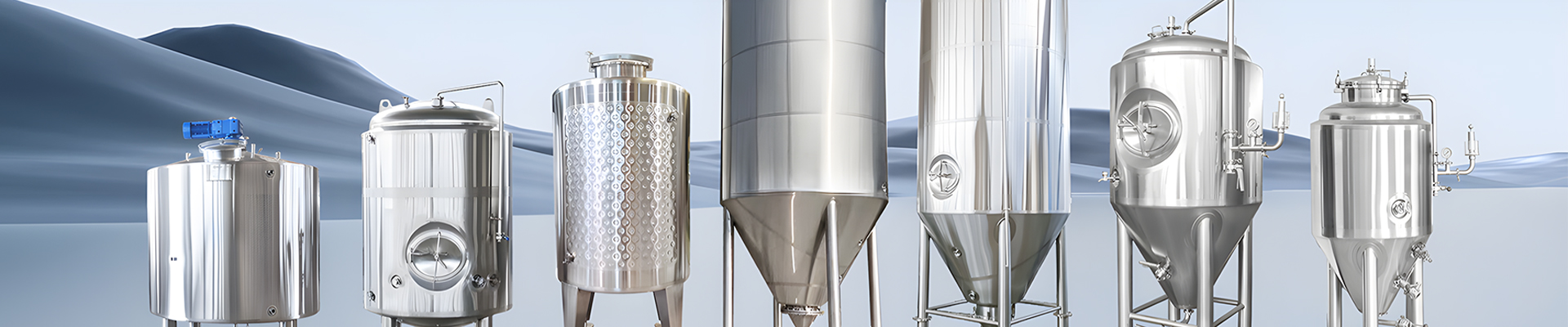
Certification confirms that a product or process has been assessed against a standard by an accredited body. It is a valuable signal, but it is not a guarantee of every unit.
Proves: the tested sample complied with the standard at the time of testing.
Does not prove: that every production unit complies, or that the factory maintains the same process over time.
Best practice: combine certification with routine batch testing and periodic re-verification.
For water treatment and beverage processing equipment, the relevant certifications typically include CE, ISO 9001, NSF/ANSI 61. Confirm the scope of each certificate covers the exact product you are buying.
Incoming Inspection: Protecting Your Business at the Border
A simple incoming inspection protocol is the buyer's last line of defence. It is inexpensive and catches the majority of problems before they reach customers.
Sample the shipment according to a defined plan (for example, per pallet or per batch).
Measure the key specification parameters and record the results.
Functionally test a representative subset.
Verify labelling, packaging and documentation against the approved artwork.
Document results by batch number and raise trends with the supplier.
Reject or negotiate remedies for any lot that fails the criteria.
Keep the data. A buyer who can show three months of measured results has far more leverage in a quality conversation than one who reports only that a batch felt wrong.
Common Sources of Quality Variation
Understanding why quality varies helps buyers ask better questions.
Raw material substitution: lower-grade material used to reduce cost.
Tool wear: moulds and dies degrade and produce out-of-tolerance parts over time.
Process drift: settings change without documentation.
Operator variation: manual steps introduce inconsistency.
Sub-supplier quality: components from third parties may not meet the same standard.
A factory that monitors these factors proactively prevents most defects before they occur.
Building Quality Into the Supply Agreement
Put quality terms in the contract, not just in conversation. Specify the standard, the sampling plan, the acceptance criteria, the remedy for non-conformance, and the documentation you expect with each shipment.
This protects both sides. The supplier knows exactly what is expected, and you have a defined basis for discussion if something goes wrong.
Quality Metrics Buyers Should Track
Recurring quality management means tracking a small set of metrics rather than reacting to individual complaints.
| Metric | What It Measures | Target | Action If Breached |
|---|
| Defect rate | Share of units failing inspection | < 1% | Investigate root cause with supplier |
| On-time delivery | Shipments meeting the agreed date | > 95% | Review capacity and planning |
| First-pass yield | Units passing without rework | > 98% | Analyse process weak points |
| Warranty claim rate | Field failures under warranty | < 2% | Reassess design and testing |
| Documentation accuracy | Correctness of shipping paperwork | 100% | Tighten release checklist |
Track these monthly and review them with the supplier quarterly. A small set of well-understood metrics beats a large set of ignored reports.
Standards and Certifications Relevant to Water Treatment And Beverage Processing Equipment
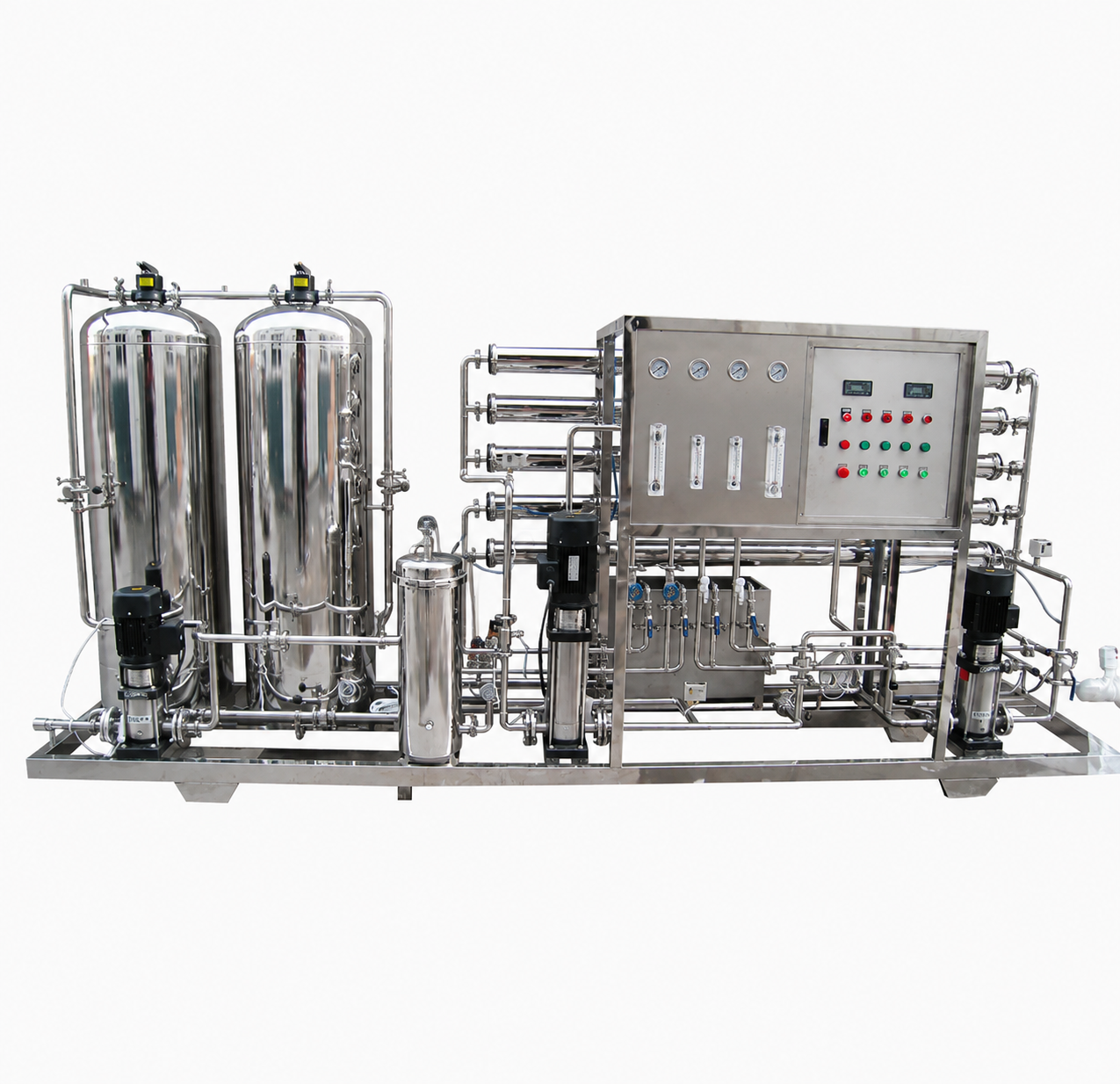
The applicable standards depend on your destination market and product category. These are the ones most commonly requested.
WHO drinking water guidelines: verify the factory can supply the current certificate and that its scope covers your product.
NSF/ANSI 61: verify the factory can supply the current certificate and that its scope covers your product.
ISO 9001: verify the factory can supply the current certificate and that its scope covers your product.
CE: verify the factory can supply the current certificate and that its scope covers your product.
CE: request the certificate and confirm validity.
ISO 9001: request the certificate and confirm validity.
NSF/ANSI 61: request the certificate and confirm validity.
A Complete Quality Assurance Workflow
This is the workflow that turns a quality policy into shipped quality.
Approve the specification and the golden sample in writing.
Verify incoming materials against certificates.
Control in-process parameters and record them.
Run functional and safety tests at defined intervals.
Perform 100% or AQL final inspection before packing.
Complete a pre-shipment inspection with photographic records.
Archive the batch documentation for traceability.
Feed field performance back into design and process improvement.
How Should a Root Cause Response to a Ro Water Purification Systems Defect Be Structured?
Accept root cause responses that follow a fixed structure and reject the ones that do not â the structure itself is the quality control. A complete response answers five questions in order:
| Element | The Question It Answers | What 'Good' Looks Like |
|---|
| Problem statement | What exactly failed, on which lot? | Specific units, dates, defect codes â not 'some quality issues' |
| Containment | What stops recurrence while we investigate? | Quarantine, re-inspection of stock, hold on pending shipments |
| Root cause | Why did the process produce this? | A named cause in the process, verified by evidence or test |
| Corrective action | What changes so it cannot recur? | A process, training or design change with an owner and date |
| Verification | How will we confirm the fix worked? | Defined check on the next two lots, with pass criteria |
Suppliers that answer in this structure are telling you something important: they have a working quality system behind the response. Suppliers that answer 'we have improved our inspection' without a cause named are telling you the opposite â and both messages are worth more than the defect itself.
Frequently Asked Questions
What is the difference between a certificate and a test report?
A certificate confirms compliance with a standard following assessment by an accredited body. A test report records the results of specific tests. Both are useful; the certificate is a higher-level signal, while the report gives detail.
Does ISO 9001 guarantee product quality?
ISO 9001 confirms that a documented quality management system is in place and audited. It makes quality repeatable but does not by itself guarantee a specific product's performance. Combine it with product testing.
How often should suppliers be re-audited?
Most buyers re-audit annually, or more often if the supplier is new, critical, or has had recent quality issues. Periodic third-party testing complements internal audits.
What should I do if a shipment fails inspection?
Document the failure with evidence, notify the supplier formally, and agree a remedy â rework, replacement, credit or return. Track the resolution to confirm the root cause is fixed.
Can I require my own inspection before shipment?
Yes, and it is good practice. Many buyers appoint a third-party inspection company to verify goods before they leave the factory.
Which certification matters most for export?
It depends on the market: CE for the EU, UL or ETL for North America, and specific standards for food, medical or electrical applications. Confirm the requirement for your destination before ordering.
How do I verify a certificate is genuine?
Check the issuing body's database, confirm the certificate number, scope and validity, and ensure the product in question is covered.
Are quality and price correlated?
Broadly, yes â but not perfectly. A structured audit and batch testing reveal real quality differences that price alone cannot.
The Landed Cost Worksheet: Every Number Between Factory and Warehouse
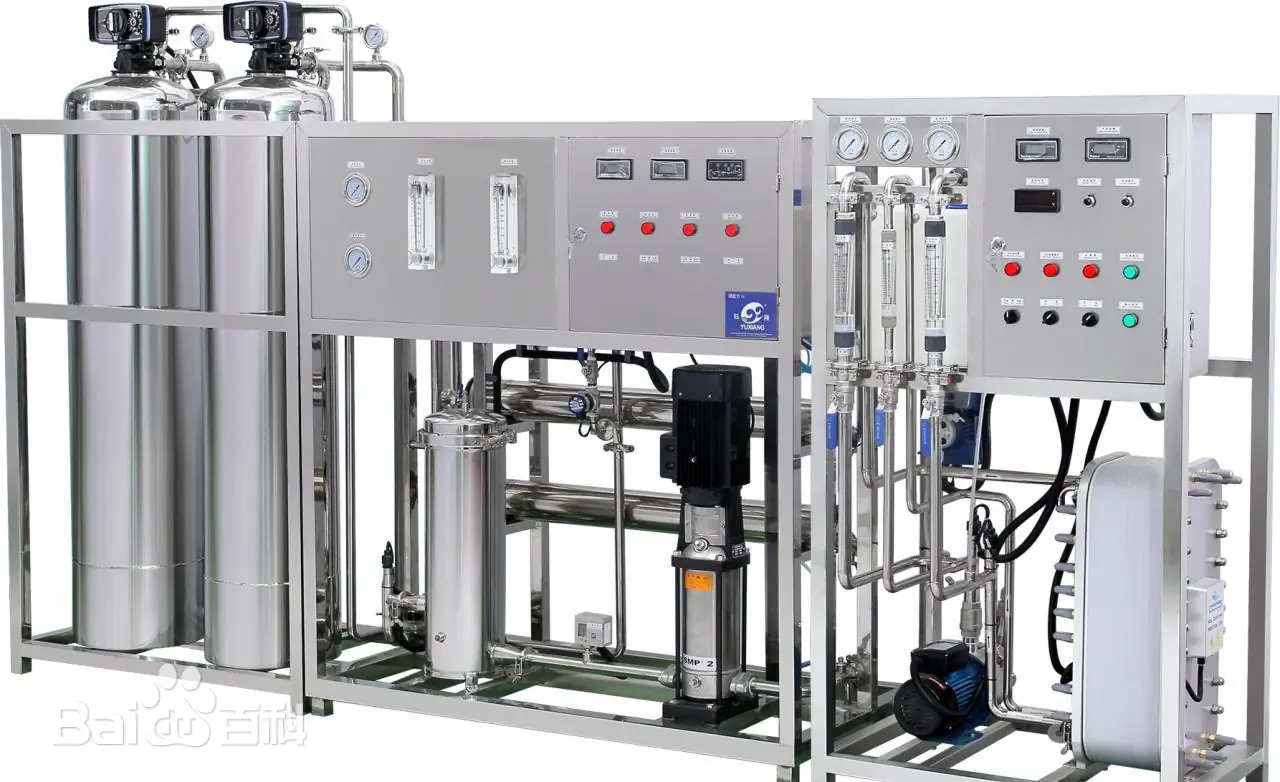
Landed cost is quoted loosely and calculated rarely, which is why 'cheap' suppliers so often turn out to be merely patient. The worksheet below lists every number between the factory floor and your warehouse â fill it once per lane and refresh the volatile rows quarterly:
| Row | Volatile? | Where the Number Lives |
|---|
| Ex-works or FOB unit price | Quarterly (negotiable) | Supplier quotation, validity-dated |
| Inland haulage to port | Annual unless fuel spikes | Forwarder tariff or supplier confirmation |
| Export clearance fees | Annual | Forwarder tariff |
| Ocean or air freight | Monthly â refresh often | Spot quote; contract rate if you have one |
| Insurance | Annual basis point | Your broker or policy schedule |
| Duty rate | On trade-policy events | Your customs broker; verify classification yourself |
| Destination port and handling | Annual | Destination agent tariff |
| Import clearance and delivery | Annual | Broker and trucking quotes |
| Expected quality cost | Annually from claim history | Your own defect and claim records |
The rows that most often move rankings are freight and duty â which is why they must be your numbers, not the supplier's assumptions. A worksheet refreshed quarterly turns every new quotation into a five-minute arithmetic exercise instead of a debate, and the debate was never really about the numbers anyway.
Sample Refresh Cadence: Keeping Qualifications Alive
Qualifications expire quietly. The sample that validated a supplier eighteen months ago validated their then-process, their then-materials and their then-staff; none of those is guaranteed to still be current. A light-touch refresh cadence prevents the slow decay: every six months, order a small paid sample lot from each qualified supplier â not a freebie, which proves nothing about production conditions â and run it through the same checks as the original qualification. Compare against the retained golden sample, photograph any drift, and file the result in the qualification record. The cost is trivial; the alternative is discovering drift with a volume order, at which point the conversation is about blame rather than correction. Suppliers themselves respect the cadence: it signals that your approval is an operating standard, not a historical event.
Benchmarking Your Water Treatment And Beverage Processing Equipment Programme Against the Market
Internal improvement feels like progress until compared with the market's, and benchmarking a sourcing programme needs only three external numbers, each obtainable without consultants:
| Benchmark | How to Obtain It | What a Gap Usually Means |
|---|
| Landed cost percentile | Price the same spec with two new suppliers each year | Your incumbent's pricing has drifted from the market |
| Industry lead-time norms | Ask forwarders for typical door-to-door on your lane | Your supplier's schedule padding has grown |
| Defect rate norms | Ask inspection firms for typical AQL results in the category | Your acceptance criteria are too loose â or the supplier is slipping |
Run the benchmark annually and act on the gaps conversationally: show the incumbent the market number before you show them the door. Suppliers correct against evidence faster than against threats, and the correction itself often saves the relationship â which, once it has survived requalification costs, is usually the one you wanted to keep.
Questions Buyers Ask About Water Treatment And Beverage Processing Equipment Sourcing Operations â Answered
How many suppliers should I keep qualified per product line?
Two active and one warm. Two active keeps allocation competitive and outage risk bounded; one warm â sampled twice a year, priced annually â keeps a genuine fallback without paying attention it has not earned. More than three active on a small programme fragments volume until nobody gives you priority, which quietly undoes the diversification benefit.
Should I tell suppliers they are competing on an RFQ?
Yes â openly. Competition disclosed produces sharper prices and honest capacity statements; competition discovered produces resentment and a supplier who deprioritises your next urgent order. 'You are one of three on this quote' costs nothing and buys candour, and the suppliers who resent the candour were not going to win on merit anyway.
What is the right order size for a first order with a new supplier?
Large enough to make them staff it properly, small enough that losing it is a lesson rather than a casualty â for most programmes, four to eight weeks of demand. Below that floor the order receives leftover capacity and a misleading trial; above it you are concentrating risk on an unproven process. Scale in steps from there, and let the scorecard, not optimism, set the step size.
How do I handle a supplier who keeps missing small commitments?
Pattern it before you punish it. One missed commitment is noise; three of the same kind is a system, and systems get addressed at level two of your escalation ladder with the pattern on the table. Suppliers usually fix named, evidenced patterns quickly â the failures that persist are the ones discussed as moods ('they seem disorganised lately') rather than data ('four of five document packs had errors this quarter').
Is it worth visiting a supplier before the first order?
For anything you will reorder monthly or depend on operationally: yes, and it pays for itself within the first order cycle in problems prevented. For small, occasional, specification-simple purchases: a structured video audit with document review covers most of the value at a tenth of the cost. Match the verification depth to the dependency, not to the ritual.
The Relationship Audit: One Hour Per Top Supplier, Once a Year

Scorecards measure performance; the relationship audit measures trajectory, and the two diverge more often than buyers expect. Once a year, for each of your top suppliers, spend one hour on four questions: is their business healthy (the desk-check signals from earlier in this guide), is our volume trend one they still care about, is there a capability we need that they are building or losing, and would we requalify them today at full effort? The last question is the sharpest â 'requalify today' strips out inertia and habit, and the honest answers occasionally reveal that your best-scored supplier is your worst strategic position. Write one paragraph per supplier; the paragraph you write now is the briefing your successor, or your future self, will need during the next disruption.
Payment Milestones That Reward Progress Instead of Dates
A payment milestone is an incentive wearing an accounting label: attach money to events that prove progress and the supplier's own interest aligns with yours. The ladder below generalises across the water treatment and beverage processing equipment category â adjust the split, keep the logic:
| Milestone | Trigger Event | Why It Works |
|---|
| Deposit 30% | Order confirmed, materials purchase evidenced | Covers supplier's material outlay; request the PO to their own supplier as evidence |
| Progress 30% | 50% of production complete, photo and count evidence | Keeps your line prioritised when capacity tightens |
| Balance 40% | Pre-shipment inspection passed, documents ready | Money still in your hands while quality is still verifiable |
Notice what the ladder removes: the calendar. Date-based milestones pay for the passage of time, which is the one thing a supplier can deliver without effort. Event-based milestones pay for production, which is the thing you are actually buying â and the conversation about moving a date versus the conversation about faking an event are very different conversations to have.
Failure-Mode Mapping: Turning Defect Codes Into Prevention
Defect logs pile up uselessly until someone groups them by cause rather than by appearance. A failure-mode map sorts every recorded ro water purification systems defect into one of four families, and each family points to a different prevention lever:
| Failure Family | Typical Signature | Prevention Lever |
|---|
| Material defects | Same defect across suppliers or production dates | Incoming material inspection and supplier qualification |
| Process defects | Defect clusters on specific machines, shifts or operators | Process audit and in-process checkpoints |
| Design defects | Defect appears only under customer use conditions | Specification review and field-trial protocols |
| Handling defects | Damage concentrated in transit or storage | Packaging specification and loading plans |
The map's value is directional: it tells you whether the next conversation belongs with the supplier's purchasing department, production manager, engineering team or your own logistics chain. Most buyers hold these conversations with whoever answers the email, which is how material defects get 'fixed' with extra inspection and process defects get 'fixed' with price concessions â neither of which fixes anything.
Duplicate Detection Rates: The Metric That Audits Your Inspector
Third-party inspection is itself a process, and processes drift. One of the cleanest audits costs nothing: track how often defects found by your inspector were already found (or should have been found) by the factory's own final check. A factory whose internal detection closely matches the third-party result has an honest, calibrated quality system; a factory whose internal check finds nothing that your inspector then finds in quantity is telling you their QC is theatre. Trend the ratio quarterly â a rising detection gap predicts exactly the quality decline you would otherwise meet first in a customer complaint. The metric requires no extra inspections, no extra fees and no negotiation: it is arithmetic performed on reports you already receive.
The Freight Calendar: Mapping the Year's Capacity Crunches
Freight capacity and price move on a calendar that repeats every year, and buyers who work with the calendar rather than against it consistently pay less for the same lanes. The recurring pressure points:
| Window | What Happens | Buyer Move |
|---|
| SepâNov | Peak season ahead of Western holidays; space tight, premiums common | Book 3+ weeks out; consider shipping earlier in the quarter |
| DecâJan (pre-CNY) | Factories rushing pre-holiday shipments; double squeeze on capacity | Finalise CNY exit plans by early December; confirm last loading dates in writing |
| CNY weeks | Factories closed 2â4 weeks; labour exodus extends recovery | Place post-holiday orders before the holiday; expect 2â3 weeks of ramp-up |
| MarâJun | Soft season on most lanes; space available, rates dip | Schedule heavy or non-urgent volume here deliberately |
| JulâAug | Summer build-up; some destinations seasonal | Lock contract rates before the September turn |
The calendar's lesson is that timing is a negotiable cost line: shifting a shipment two weeks can save more than a week of price negotiation. Buyers who annotate their own order calendar against the freight calendar stop treating freight as weather and start treating it as a planning input â which is all it ever was.
Documentation Kits: Assemble Once, Reuse Every Shipment

Every shipment needs the same document set, and every supplier assembles it slightly differently â which is exactly where customs friction is born. A documentation kit ends the variance: a folder, maintained once per lane, containing the commercial invoice template with your required fields, the packing list format, the agreed HS classification memos, the certificate copies with their expiry dates, the label artwork proofs, and a one-page checklist of who produces what and by when. Suppliers receive the kit at qualification and every shipment thereafter is a fill-in rather than a negotiation. The kit costs an afternoon to assemble and removes the single most common cause of border delays â documents that do not match each other or the goods. Auditors, insurers and replacement buyers all end up grateful for it too; documentation is the memory of a programme, and kits are how memory survives staff changes.
What Good Looks Like Six Orders In
By the sixth order, a healthy sourcing relationship shows a pattern that no single inspection can fake: quotations arrive with the assumptions stated rather than buried; specification changes get acknowledged in writing within a day; the factory flags material or schedule risks before they become delays instead of after; document packs are complete on first submission; and the scorecard conversation â now two or three quarters old â runs on numbers both sides prepared. None of this requires genius on either side; it requires the habits this guide has described, applied past the novelty period. If the pattern is not visible by order six, it will not appear by order sixteen on its own â that is the moment for a structured reset meeting, a revised ramp, or a graceful diversification of volume. Suppliers show you who they are early; the sixth order is where buyers are expected to have believed them.
Long-Term Partnership With é西è¾æ©ä¼¦ç¹é
¿é ææ¯æéå
¬å¸
The practices in this guide are not theory at é西è¾æ©ä¼¦ç¹é
¿é ææ¯æéå
¬å¸ â they are the operating standard our long-term customers experience: milestones attached to evidence, documentation kits honoured shipment after shipment, field-trial data welcomed rather than feared, and a freight calendar we plan our own capacity around. We would rather prove it on a trial order than claim it in a brochure.
If you are evaluating ro water purification systems suppliers, rebuilding a programme that has drifted, or planning volume that needs to land on time through the year's capacity crunches, send us your specification and your hardest constraint. We will answer with a plan you can check line by line â and you can judge us by how few of its assumptions you have to remove.
Quality You Can Verify
If you want to see how quality is controlled in practice, é西è¾æ©ä¼¦ç¹é
¿é ææ¯æéå
¬å¸ (www.aelt-brewing.com) is happy to share inspection records, test reports and certification for our water treatment and beverage processing equipment. Visit www.aelt-brewing.com to learn more and request documentation for your market.
 +86 29-87031531



 핸드폰
핸드폰
논평
(0)